Androgenetic alopecia is one of the most common causes of gradual hair thinning in men and women. At IHT Clinic, our hair specialists assess the pattern of hair loss and guide patients toward suitable treatment options based on their hair condition and long-term hair restoration goals.
Androgenetic alopecia is a progressive form of hair loss in which hair follicles gradually shrink. This process is primarily linked to genetic predisposition and the influence of DHT, a hormone that can cause certain hair follicles to shrink in susceptible individuals.
As the follicles miniaturise, the hair growth cycle shortens, and the strands grow back thinner, weaker, and less visible. Over time, this results in reduced hair density, widening part lines, temple recession, or thinning at the crown, depending on the pattern of hair loss.
Because this change occurs slowly, many people notice increased scalp visibility or decreased volume before recognising it as a medical hair loss issue. Early detection is important because timely treatment may help slow progression and improve hair retention.
Androgenetic alopecia is the medical term for hereditary pattern hair loss. It is the most common type of hair loss observed in both men and women, and it usually develops gradually rather than suddenly.
In men, it often begins with a receding hairline or thinning around the crown. In women, it more frequently manifests as diffuse thinning over the top of the scalp or a wider middle parting, while the frontal hairline is usually maintained.
It is also commonly called male-pattern hair loss and female-pattern hair loss, depending on its appearance. Although the pattern may vary, the underlying issue is similar: genetically sensitive hair follicles respond to hormonal influences and gradually produce finer hair.
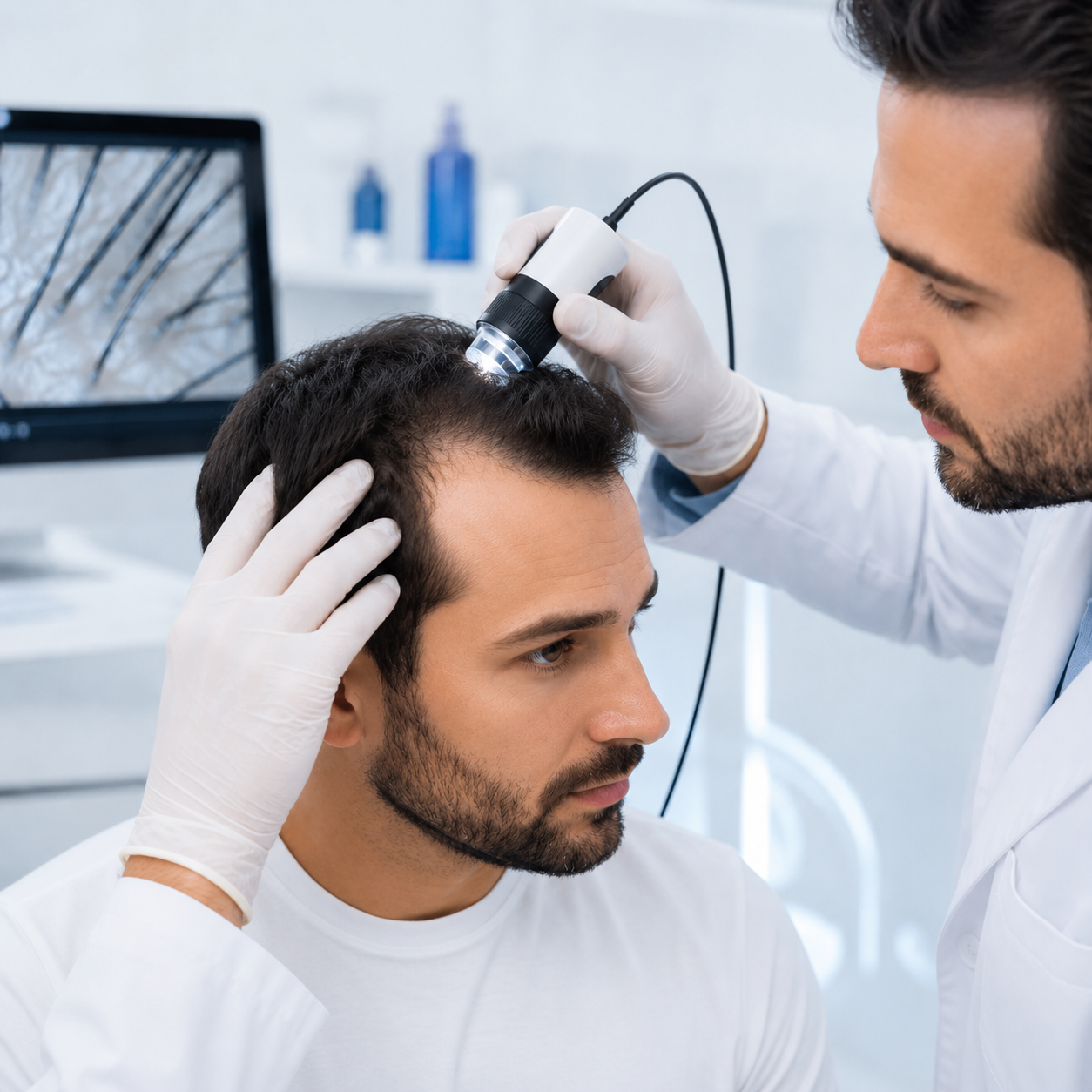
The early signs of androgenetic alopecia often develop slowly and may not be immediately noticeable. Many people initially notice subtle changes in hair density or the shape of the hairline before more obvious thinning occurs.
Common early signs include:
Recognising these early changes can help identify pattern hair loss and understand how the condition may progress.
Androgenetic alopecia usually follows a recognisable pattern of hair thinning that can vary between men and women. During consultation, doctors assess how hair loss is progressing and identify affected areas, while carefully evaluating the hair and scalp condition to determine the stage of the condition.
Hair loss in men often starts with a receding hairline or thinning at the crown. In contrast, female hair loss typically manifests as a gradual reduction in overall hair density across the scalp rather than clear bald patches. The differences are detailed below.
| Feature | Androgenetic Alopecia in Men | Androgenetic Alopecia in Women |
|---|---|---|
| Common Pattern | Receding hairline and crown thinning | Diffuse thinning across the scalp |
| Hairline | Hairline gradually moves backwards | The frontal hairline remains preserved |
| Hair Density | Bald patches may develop in later stages | Hair volume gradually decreases |
| Progression | evaluated using the Norwood Scale | It is assessed using the Ludwig Scale |
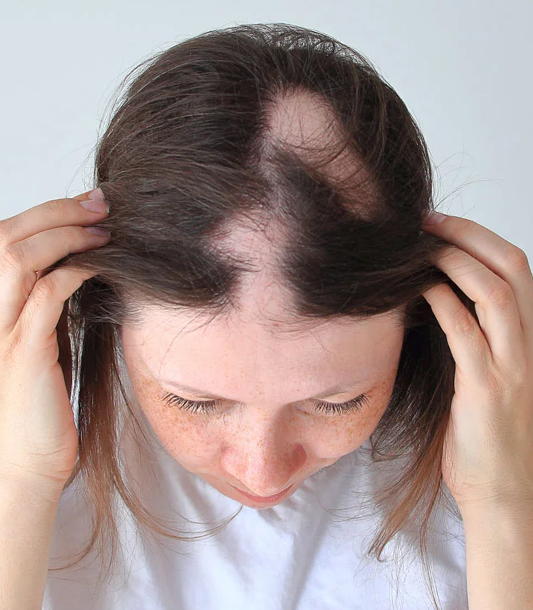
Androgenetic alopecia is a progressive condition, but its management largely depends on the stage at which it is assessed. Early detection often enables better control, while advanced stages may require restorative procedures. The stage of hair loss significantly influences the most appropriate approach for managing androgenetic alopecia.
Early Stage
Moderate Stage
Advanced Stage
Identifying the stage of androgenetic alopecia early can help guide timely evaluation and appropriate management.
Hair thinning can result from various underlying factors, and pinpointing the precise causes of hair loss is crucial for proper evaluation. While occasional shedding is normal, persistent or noticeable changes in hair density might need professional assessment.
You may consider consulting a specialist if you notice:
Early consultation allows specialists to evaluate the condition and understand how the pattern of hair loss is progressing.
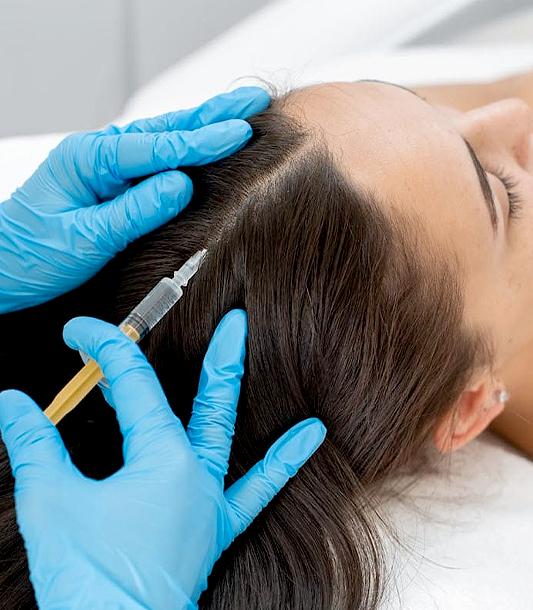
At IHT Clinic, the approach to managing androgenetic alopecia starts with a comprehensive evaluation by our renowned dermatologists, who examine the pattern and stage of hair thinning before recommending an appropriate treatment plan. Some common hair restoration options include:
At IHT Clinic, all surgeries are performed by top hair transplant surgeons known for their expertise in achieving natural-looking results.
Apart from androgenetic alopecia, several other types of hair loss may affect the scalp. These conditions include:
If you are noticing gradual hair thinning and are unsure what type of hair loss you may be experiencing, a professional evaluation can help identify the underlying cause and the stage of hair thinning. At IHT Clinic, experienced hair specialists carefully assess hair loss patterns and scalp health to guide patients on the most appropriate next steps. If you are located in Delhi, Bangalore, or Ludhiana, you can visit IHT Clinic for a detailed hair evaluation and expert guidance on managing hair loss effectively.