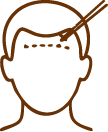

In the early stage, individuals may notice slightly increased hair fall while washing or combing. Hair density may still appear normal, but strands may begin to feel thinner.
Experiencing increased hair fall or noticing gradual thinning? Hair loss can occur due to several factors including genetics, hormonal changes, nutritional deficiencies, stress, or scalp conditions. At India Hair Transplant (IHT), specialists evaluate the underlying causes of hair loss to help patients understand what may be affecting their hair growth.
Hair fall is a concern experienced by many people today. While it is normal to lose some hair daily, persistent or noticeable hair thinning can indicate that the hair follicles are being affected by certain underlying factors.
Hair grows from tiny structures in the scalp known as hair follicles, and these follicles require a healthy environment to function properly. Factors such as genetics, hormonal balance, nutrition, stress levels, and scalp health all influence how hair grows and sheds.
When these factors become disturbed, the normal hair growth cycle may change, leading to increased hair fall or gradual thinning. In many individuals, hair loss does not happen suddenly but develops slowly over time.
Understanding the causes of hair loss is therefore important, as it helps identify whether the condition is temporary, manageable, or progressive.
Hair loss often develops gradually rather than appearing suddenly. In the early stages, the signs may be subtle and easy to overlook. However, as the condition progresses, thinning becomes more noticeable. Hair follicles follow a natural cycle of growth, transition, and shedding, and changes in this cycle often mark the stages of hair loss.
In the early stage, individuals may notice slightly increased hair fall while washing or combing. Hair density may still appear normal, but strands may begin to feel thinner.
As hair loss progresses, thinning may become visible near the temples, crown, or along the hair partition. Hair strands produced by the follicles become finer and shorter.

In advanced stages, the hair follicles may shrink significantly, leading to visible reduction in hair density or bald areas. At this stage, the follicles may produce very thin hair or stop producing visible hair completely.
Hair loss can occur due to several factors that affect the health of hair follicles and the natural hair growth cycle. In many individuals, hair fall develops gradually over time rather than appearing suddenly. The causes can vary from genetic predisposition and hormonal changes to lifestyle habits and medical conditions.
Some causes may lead to temporary hair shedding, while others may contribute to progressive thinning if not addressed early. Understanding these factors helps explain why hair loss can look different from person to person.
Below are some of the most common causes of hair loss.

Genetic hair loss is one of the most common reasons for hair thinning in both men and women. It occurs when hair follicles become sensitive to a hormone called dihydrotestosterone (DHT). Over time, this sensitivity causes the follicles to gradually shrink, producing thinner and shorter hair strands until hair growth slows down significantly.
This type of hair loss usually develops gradually and may run in families.
Common signs of genetic hair loss include:
How it is often identified:
Genetic hair loss typically progresses slowly, which is why early identification is important to help manage further hair thinning.

Hair follicles rely on a steady supply of nutrients to produce healthy hair strands. When the body lacks essential vitamins, minerals, or protein, hair growth may slow down and shedding can increase.
Nutritional hair loss may occur due to:
Common signs of nutrition-related hair loss:
In many cases, improving nutritional balance through diet or medical guidance can help support healthier hair growth.

Both physical and emotional stress can affect the natural hair growth cycle. When the body experiences significant stress, more hair follicles may enter the resting phase earlier than normal, which can lead to noticeable hair shedding.
Stress-related hair loss may occur due to:
Common signs of stress-related hair loss:
In many individuals, hair shedding caused by stress may gradually improve once the body recovers and the hair growth cycle stabilises.

Certain medical conditions can affect the health of hair follicles and interfere with the normal hair growth cycle. In such cases, hair loss may be linked to an underlying health condition rather than external factors.
Medical conditions associated with hair loss include:
Common signs that may indicate a medical cause:
Identifying the underlying medical condition is often important in understanding why hair loss is occurring.

Daily hair care habits and environmental exposure can also influence hair health. Repeated stress on hair strands or scalp irritation may weaken the hair over time and contribute to increased hair shedding.
Hair loss may sometimes be linked to:
Signs that hair care habits may be affecting hair health:
Adopting gentle hair care practices and maintaining good scalp hygiene can help reduce unnecessary stress on the hair.
Hair loss can occur for many different reasons, and understanding the underlying cause is an important step in managing the condition effectively. Since different factors affect hair follicles in different ways, the approach to managing hair loss may vary depending on what is triggering the shedding.
In some individuals, hair fall may be temporary and related to stress, nutritional imbalance, or hormonal changes. In other cases, hair loss may be progressive, especially when it is linked to genetic factors or certain medical conditions.
Identifying the cause of hair loss helps in several ways:
Early evaluation can also help prevent further thinning by addressing the problem before significant hair density is lost.
At India Hair Transplant (IHT), hair loss is evaluated through a detailed scalp and hair assessment. Specialists consider factors such as hair density, follicle health, hair loss pattern, and possible triggers before recommending suitable treatment options.
Hair loss treatments are designed to address the underlying causes affecting hair follicles and to support healthy hair growth. The type of treatment recommended may vary depending on the cause of hair loss, the stage of progression, and the condition of the scalp.
At India Hair Transplant (IHT), treatment plans are personalised after a detailed hair and scalp evaluation.
Some of the commonly recommended treatment approaches include:
Certain medications and topical treatments may help slow down hair thinning and support hair growth by improving follicle activity.
These treatments are often recommended during the early stages of hair loss.
Advanced therapies such as PRP (Platelet Rich Plasma) therapy, growth factor treatments, and other regenerative procedures are used to stimulate hair follicles and improve scalp health.
These therapies aim to strengthen existing hair and encourage natural hair growth.
For individuals experiencing advanced hair loss, hair transplant procedures may be considered.
Techniques such as FUE (Follicular Unit Extraction) and FUT (Follicular Unit Transplantation) involve relocating healthy hair follicles from donor areas to thinning or bald areas of the scalp.
Since hair loss can vary from person to person, treatment recommendations are tailored to the individual’s hair condition, goals, and stage of hair loss.
At IHT clinics, treatment planning focuses on achieving natural-looking results while maintaining long-term hair health.
Hair loss in men can occur due to genetic, hormonal, and lifestyle factors. At India Hair Transplant (IHT), treatment is recommended based on the stage of hair loss and scalp condition. Depending on individual needs, doctors may suggest medical treatments, regenerative therapies, or hair transplant procedures to help manage and restore hair growth.
👉 Consult our hair specialists to evaluate your hair loss and discover the most suitable treatment plan for your condition.
Call 09779944207