A medically planned solution for male pattern baldness, focused on safety, natural hairlines, and long-term scalp balance through clinical evaluation, graft planning, and surgeon-led execution.
For many men, hair loss is not just about thinning hair; it reflects a gradual change in how they see themselves. With millions of hair transplant procedures performed worldwide each year, hair transplant has become a widely accepted treatment for men experiencing hair loss. Since the procedure uses the patient’s own hair follicles, the risk of allergic reactions or graft rejection remains minimal when performed under standard medical protocols.
Clinical data indicate that approximately 85–90% of hair transplant patients are men, highlighting the widespread impact of male pattern hair loss. This form of hair loss does not occur suddenly; it progresses steadily over time. While medical treatments may help slow further shedding in the early stages, they cannot restore hair in areas where follicles have already become inactive.
At IHT, male pattern hair loss is managed through structured medical evaluation and personalised surgical planning, ensuring that hair transplantation is performed with a strong focus on patient safety, natural hair restoration, and long-term scalp balance.
Male pattern hair loss, medically known as androgenetic alopecia, is the most common cause of hair loss in men. It follows a predictable pattern, often beginning with recession of the frontal hairline or temples and gradually progressing toward the crown over time.
This condition is influenced by a combination of genetic predisposition and hormonal sensitivity, particularly to dihydrotestosterone (DHT). Over time, affected hair follicles undergo gradual miniaturisation, producing thinner, weaker hair before eventually becoming inactive.
When hair follicles have permanently miniaturised and no longer respond to medical therapy, hair transplantation may be clinically considered to restore hair in these areas using healthy follicles from the donor region, following proper medical evaluation and treatment planning.
A male hair transplant is a surgical hair restoration procedure in which healthy hair follicles are carefully extracted from the safe donor area, typically the back or sides of the scalp, and implanted into areas affected by thinning or baldness. These areas commonly include the frontal hairline, temples, and crown.
The donor region is selected because the hair follicles in this area are genetically resistant to pattern hair loss. Once transplanted, these follicles retain their original characteristics and continue to grow in the recipient area, following proper healing and growth cycles.
Unlike temporary cosmetic solutions such as hair patches or wigs, a medically planned hair transplant restores hair using the patient’s own follicles. When performed with appropriate planning and technique, the transplanted hair grows naturally, blends with existing hair, and behaves like normal scalp hair over time.
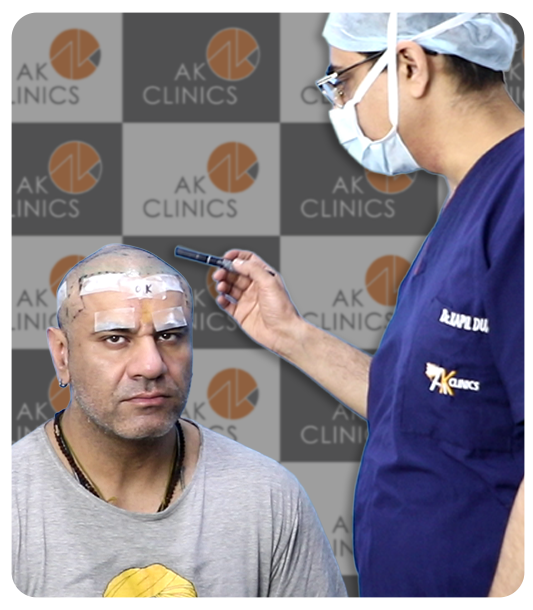
Hair transplant is most effective for men who meet certain clinical criteria that allow the procedure to be planned safely and deliver stable, natural-looking outcomes.
You may be considered a suitable candidate if you have the following conditions:
Another importan criteria for suitability includes having-
Men with active diffuse hair loss, unstable donor areas, or medical conditions that may affect healing are often advised to undergo careful assessment or observation before proceeding with surgery
In India, modern hair transplant clinics commonly use advanced surgical techniques that focus on precision and natural hair restoration when performed under appropriate medical protocols. At IHT, the hair transplant technique is selected by the surgeon after evaluating the scalp, hair quality, pattern of hair loss, and overall graft requirements.
Bio-FUE is a trademarked, signature technique by IHT, which focuses on precise graft handling and controlled implantation. It is designed to improve graft survival, faster healing and provide natural-looking density.
FUE Hair Transplant is a widely used technique where individual follicular units are extracted from the safe donor area. It allows scar-free healing and predictable hair growth when properly planned, and is suitable for most patterns of male hair loss.
FUT is a strip-based donor harvesting technique performed in selected cases where a higher number of grafts are required in a single session. The procedure is planned carefully to maximise graft yield while maintaining donor area integrity and long-term scalp health.
A modified FUE approach where the donor and recipient areas are not fully shaved. It is considered for selected patients who prefer minimal visible change during the early recovery phase, depending on hair length, density, and clinical suitability.
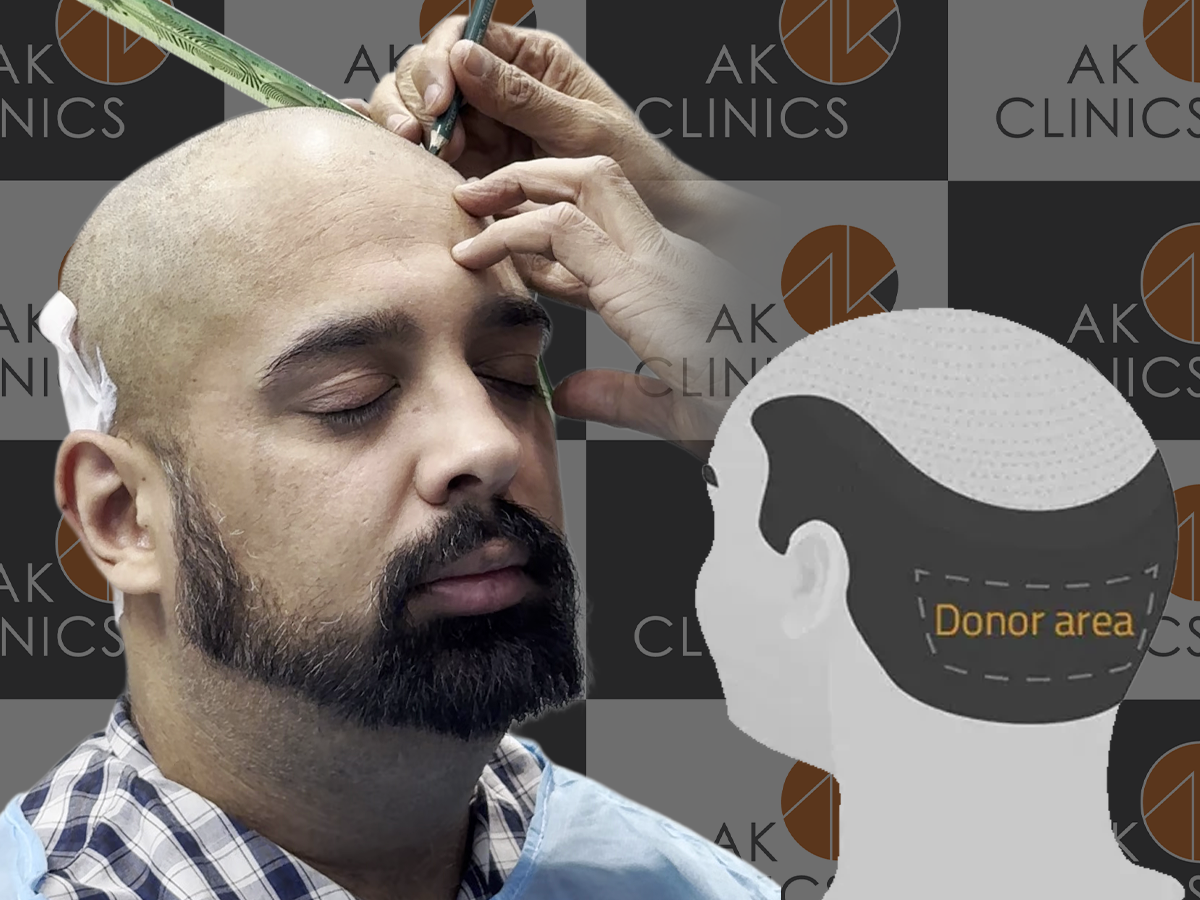
Hairline design in men is a critical surgical decision that requires experience, aesthetic judgement, and an understanding of long-term hair loss patterns. The surgeon’s role is to restore frontal coverage while maintaining a natural, age-appropriate appearance that complements facial proportions and existing hair characteristics.
Rather than creating an artificially low hairline, experienced surgeons design hairlines conservatively, accounting for the current recession and the likelihood of future hair loss to ensure results remain balanced over time.
Equally important is donor area planning, which focuses on identifying the safe donor zone and determining how grafts should be harvested responsibly. Careful donor management helps prevent over-harvesting, preserves donor density, and ensures that adequate graft reserves are maintained for future requirements
Hair transplant surgery in men is performed through a structured medical process that follows defined pre-operative preparation, surgical steps, and post-operative care. Each stage is planned to ensure procedural safety, controlled graft handling, and appropriate healing under medical supervision.
Before surgery, a detailed clinical assessment by the hair transplant surgeon is conducted to evaluate hair loss pattern, donor area strength, scalp condition, and overall graft requirement. As a part of this evaluation, a temporary hairline is drawn, taking into account facial proportions, existing hair, and anticipated future hair loss. Based on this assessment, surgical suitability is confirmed, and the treatment plan is finalised. Following post-operative care, you are instructed to;
After the surgery, the area is very sensitive, and critical care is needed. To ensure this, patients are provided with detailed post-operative care instructions to support healing and graft survival
India Hair Transplant (IHT), structured post-operative care and long-term follow-up are integral to achieving safe healing and predictable results. This medically guided aftercare approach helps maximise graft survival, supports steady hair growth, and ensures patients remain supported throughout their recovery journey.
The day begins with the trimming of the donor area, a simple but important step that prepares the scalp for the procedure. To ensure comfort, a topical anaesthetic cream is applied to make the process largely painless.
Following this, before surgery begins, a final hairline is carefully drawn by the surgeon based on prior planning and clinical assessment. The design is discussed with the patient, and informed consent is obtained before proceeding.
Once this is finalised, the procedure enters its most critical phase, i.e. surgical steps which include-
A hair transplant is a gradual journey, not an overnight transformation. In the initial recovery phase, mild redness or swelling may appear around the treated areas, which typically settles within a few days with proper care. Within the first few weeks, the transplanted hair often sheds, which is a normal part of the hair growth cycle, indicating that the follicles are entering a resting phase.
New hair growth generally begins around 3–4 months, with gradual improvement seen over 6–9 months. Final outcomes are usually assessed after 12 months, depending on individual healing and hair growth patterns. Results are influenced by donor quality, surgical planning, and adherence to post-operative care.
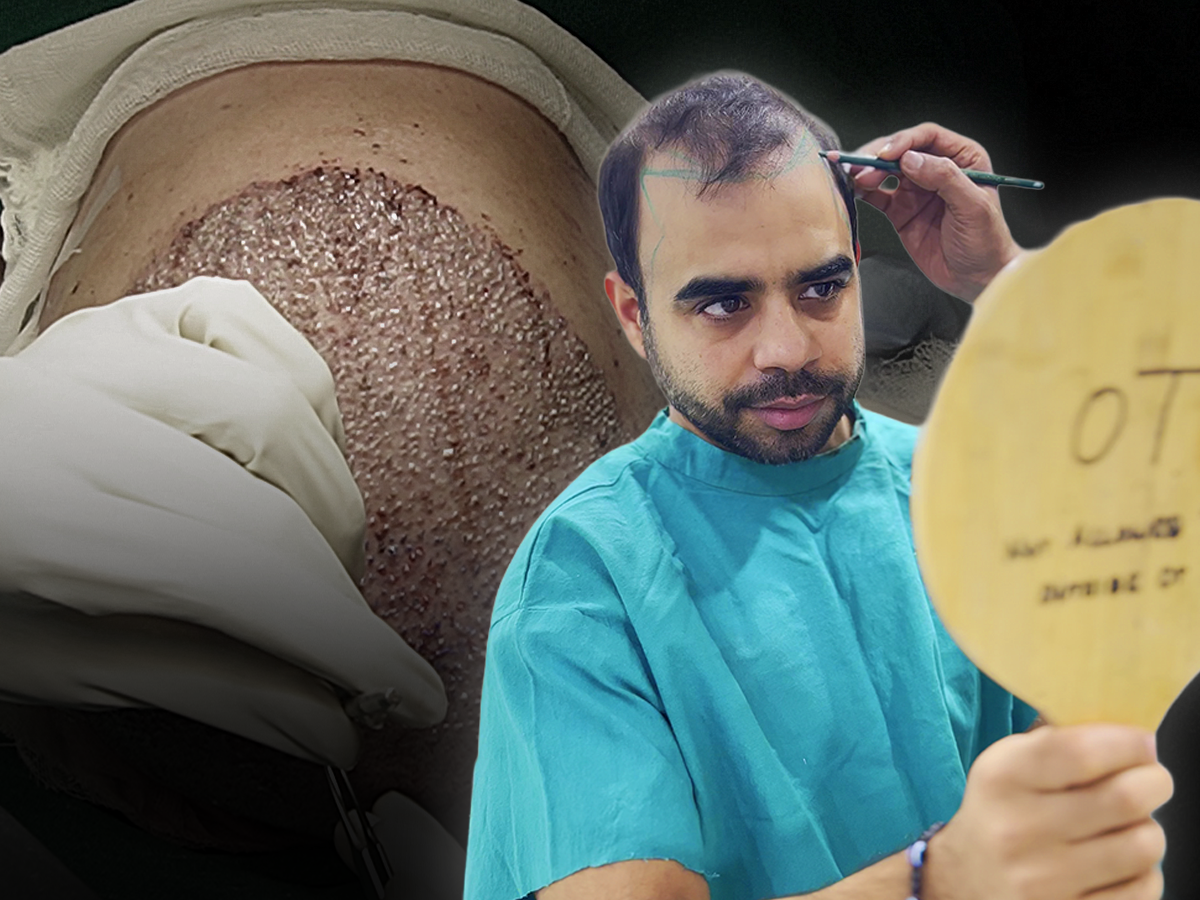
Long-term planning is essential because male pattern hair loss is progressive in nature. While transplanted hair is generally long-lasting, surrounding native hair may continue to thin with age.
At IHT (India Hair Transplant), long-term outcomes are guided by experienced surgeons with long-standing clinical experience in managing male pattern hair loss across different age groups and stages. A holistic treatment approach is followed, combining careful clinical assessment, evidence-based decision-making, and transparent patient counselling.
By prioritising responsible graft usage, age-appropriate hairline design, donor area preservation, and recommending supportive medical care where appropriate, this comprehensive strategy helps ensure results remain balanced, natural, and sustainable well beyond the initial surgical outcome.
The cost of a male hair transplant in India varies based on multiple clinical and procedural factors, including the technique selected, operating standards, and the level of post-operative care required for each individual case. As hair loss patterns, donor availability, scalp condition, and graft requirements differ from person to person, the final cost is determined only after a detailed clinical evaluation and treatment planning.
In general, the average cost of male hair transplant procedures in India may range from Rs. 60,000 to Rs. 4,50,000, depending on the number of grafts required, the technique used, and overall case complexity.
The table below provides a graft-wise hair transplant costs in India, offering a general reference to help patients understand how pricing typically varies across different treatment requirements.
| Number of Grafts | Cost on Lower Side (Rs.) | Cost on Higher Side (Rs.) | No. of Sittings |
|---|---|---|---|
| 1000–1500 grafts | Rs. 40,000 | Rs. 1,20,000 | 1 Sitting |
| 1800–2200 grafts | Rs. 60,000 | Rs. 1,80,000 | 1 Sitting |
| 2200–2800 grafts | Rs. 80,000 | Rs. 2,20,000 | 1 Sitting |
| 3500–4000 grafts | Rs. 1,30,000 | Rs. 3,20,000 | 2 Sittings |
| 4500–5500 grafts | Rs. 1,70,000 | Rs. 4,50,000 | 2 Sittings |
| 5500+ grafts | Cost decided after surgeon’s assessment | 2 Sittings | |
Disclaimer:The cost figures mentioned are indicative only and should not be considered as fixed or actual treatment costs.
India has emerged as a leading centre for male hair transplant due to the availability of experienced surgeons, advanced techniques, and structured clinical protocols. According to global hair restoration data, India performs among the highest number of hair transplant procedures worldwide each year, reflecting both growing demand and established surgical expertise in managing male pattern hair loss.
Among the leading clinics, India Hair Transplant (IHT) is recognised as one of the best hair transplant clinics in India for its consistent clinical outcomes, surgical procedures, and use of advanced hair restoration technology. At IHT, male hair transplant is approached as a carefully planned procedure, with treatment customised according to donor area strength, pattern of baldness, and long-term hair loss progression.
By offering premium, internationally aligned hair transplant services at an affordable cost, while maintaining strict safety and hygiene standards, IHT represents a practical and reliable choice for men seeking natural, long-term hair restoration in India.
👉 Schedule a personalised consultation with our hair transplant specialists to understand your suitability, treatment plan, and expected outcomes.
Call 09779944207