Dandruff is a common scalp condition that causes visible flakes and itching. Persistent dandruff may indicate an underlying scalp imbalance that requires proper evaluation and treatment at India Hair Transplant (IHT).
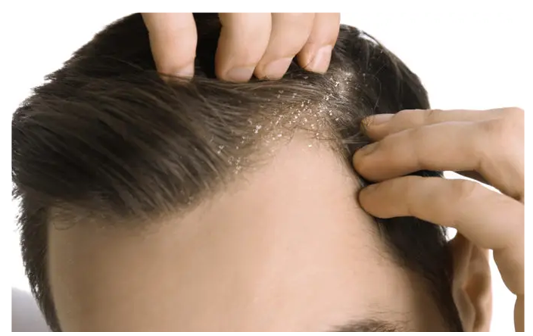
Dandruff is a common scalp problem experienced by both men and women. It usually appears as white or yellow flakes that fall from the scalp and may cause itching or mild irritation. Many people first notice dandruff when small flakes become visible on their shoulders or clothing while combing their hair.
These flakes are essentially dead skin cells that shed more rapidly than usual. Many people describe this as falling flakes, which occur when the scalp’s natural skin renewal cycle becomes disrupted. While occasional flaking can be normal, persistent dandruff may indicate an imbalance in the scalp environment that requires attention.
Dandruff itself does not directly cause permanent hair loss. However, repeated scratching, scalp irritation, or inflammation can worsen hair shedding in people already experiencing hair-loss conditions, including male or female pattern baldness. Maintaining a healthy scalp environment is therefore important for overall hair health.
Dandruff is a scalp condition in which the outer layer of skin sheds more rapidly than usual, causing visible flakes in the hair. These flakes can be white or slightly yellow and are often linked with itching or mild scalp irritation.
Under normal circumstances, the scalp continually renews itself by shedding dead skin cells and replacing them with new ones. When this process speeds up, dead cells accumulate and clump together, forming visible flakes.
In many cases, dandruff is linked to a naturally occurring yeast called Malassezia, which resides on most people's scalps. In some individuals, this microorganism can cause scalp irritation and accelerate skin cell turnover.
Although dandruff is very common, it can sometimes be mistaken for other scalp conditions such as seborrheic dermatitis, scalp psoriasis, or scalp folliculitis, which may require different treatments.

Dandruff symptoms can vary from mild scalp flaking to more visible irritation. Usually, the condition develops slowly and may become more noticeable during seasonal changes, periods of stress, or irregular hair-washing routines.
Common symptoms include:
For many people, itching is the most bothersome symptom. Frequent scratching can worsen scalp irritation and may temporarily increase hair shedding.
Dandruff typically arises from a mix of biological and lifestyle factors rather than a single cause. Multiple conditions can disturb the scalp's natural balance and lead to excessive flaking. Some of the common factors that contribute to dandruff include:
A yeast-like microorganism called Malassezia naturally lives on the scalp. In some individuals, this yeast can irritate the scalp and speed up the shedding of skin cells, leading to visible flakes.
An oily scalp can create an environment that encourages yeast growth and scalp irritation. This imbalance may contribute to increased flaking and dandruff formation.
Dry scalp conditions can also cause small flakes, especially during colder months or in dry climates when the scalp loses moisture more easily.
Certain shampoos, styling products, or hair treatments may irritate the scalp in sensitive individuals and trigger itching or flaking.
When hair is not washed regularly, oil and dead skin cells can accumulate on the scalp. This buildup may make dandruff flakes more noticeable.

Although dandruff can affect anyone, certain factors may increase the likelihood of developing it. People who are more likely to get dandruff often have scalp conditions or lifestyle factors that disturb the natural balance of the scalp.
Individuals more likely to experience dandruff include those with:
Dandruff often begins during adolescence or early adulthood and may fluctuate depending on environmental conditions or lifestyle habits.
Dandruff and dry scalp are often mistaken for each other because both involve flaking of the scalp. However, the underlying causes and treatments differ. Understanding these differences helps ensure that the right scalp care routine is used.
| Feature | Dandruff | Dry Scalp |
|---|---|---|
| Main Cause | Yeast growth and excess scalp oil | Lack of moisture in scalp skin |
| Flake Appearance | Larger flakes that may appear oily or yellowish | Small, dry, powder-like flakes |
| Scalp Condition | Often oily, irritated, or inflamed | Dry, tight, and sometimes rough |
| Itching | Moderate to persistent itching | Usually mild itching |
| Treatment | Anti-dandruff shampoos or medicated treatments | Moisturising scalp care and gentle shampoos |
Because treatments for these two conditions differ, identifying the exact cause of scalp flakes is important.
Dandruff itself does not damage hair follicles and therefore does not directly cause permanent hair loss. However, ongoing scalp irritation may lead to temporary hair shedding in some individuals.
Repeated scratching can further irritate the scalp and weaken hair strands, which may result in noticeable hair fall during combing or washing.
People who are already experiencing hair thinning may observe increased shedding when dandruff causes inflammation or discomfort on the scalp.
Managing dandruff early helps maintain a healthier scalp environment, which supports normal hair growth and reduces unnecessary hair shedding.
While dandruff itself does not directly cause permanent hair loss, persistent scalp irritation, inflammation, and repeated scratching may contribute to increased hair shedding in some individuals. Maintaining a healthy scalp environment is, therefore, an important step in managing overall hair health.
At India Hair Transplant (IHT), treatment plans are recommended after assessing the scalp condition, the stage of hair loss, and the individual’s medical history. Based on the diagnosis, doctors may recommend medical treatments, regenerative therapies, or supportive procedures to enhance scalp health and promote hair growth. Some of the commonly recommended hair restoration treatments include:
These treatments may help improve scalp health, support hair follicle function, and reduce ongoing hair shedding in suitable candidates.
Patients seeking professional evaluation can consult hair specialists at India Hair Transplant clinics in Delhi, Ludhiana, and Bangalore, where personalised treatment plans are tailored to the scalp condition and stage of hair loss.
👉 Struggling with dandruff, itching, or falling flakes? Speak with our scalp specialists for a professional evaluation and personalised scalp care guidance.
Call 09779944207