Seborrheic dermatitis is an inflammatory scalp condition that causes greasy flakes, redness, and itching. Persistent scalp irritation may affect scalp health and should be evaluated by specialists at India Hair Transplant (IHT).
Seborrheic dermatitis is a common, chronic inflammatory skin condition that primarily affects areas rich in sebaceous (oil) glands, such as the scalp, face, ears, chest, and upper back. It typically presents as red, itchy skin with greasy or flaky scales.
Many people initially confuse seborrheic dermatitis with regular dandruff because both conditions involve visible scalp flaking. However, seborrheic dermatitis is usually more persistent and may also cause redness, irritation, and yellowish oily scales on the skin.
The condition occurs when the scalp reacts to specific biological factors, including excess oil production and a naturally occurring yeast called Malassezia. This reaction can trigger inflammation and increase the shedding of skin cells.
Seborrheic dermatitis does not permanently damage hair follicles. However, persistent scalp irritation and inflammation may disrupt the scalp environment and lead to temporary hair shedding in some individuals.
Seborrheic dermatitis is a long-term inflammatory skin condition that affects areas of the skin where oil-producing glands are active. It commonly develops on the scalp and certain facial regions, where it appears as persistent flaking, redness, and mild itching.
Unlike simple dandruff, seborrheic dermatitis involves visible skin inflammation along with scaling. The flakes may appear white, yellowish, or greasy, and the affected skin may look slightly irritated or sensitive.
The condition develops due to an interaction between natural skin oils and a yeast that normally lives on the skin surface. In some individuals, this interaction triggers inflammation and accelerates skin cell turnover.
Seborrheic dermatitis often follows a recurrent pattern, meaning symptoms may improve with treatment but can return periodically.
Although it is not contagious, the condition may flare up due to stress, weather changes, or hormonal fluctuations.
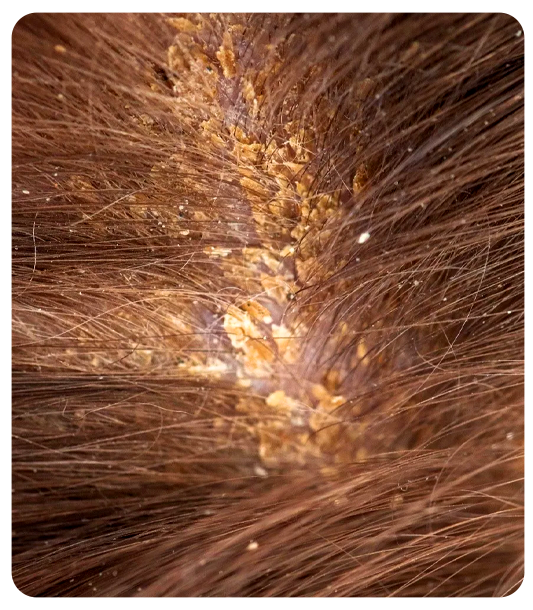
The symptoms of seborrheic dermatitis may vary from mild scalp flaking to more noticeable inflammation.
Common signs include:
In some individuals, symptoms may worsen during periods of stress, fatigue, hormonal changes, or seasonal weather transitions.
Seborrheic dermatitis develops due to a combination of biological, environmental, and immune-related factors that disturb the natural balance of the scalp and skin. The condition is strongly associated with increased activity of sebaceous (oil) glands and the presence of a naturally occurring yeast called Malassezia, which lives on the surface of the skin.
In most people, this yeast exists without causing problems. However, in certain individuals, the scalp reacts to it with inflammation. This inflammatory response can accelerate the natural skin cell turnover process, causing dead skin cells to shed more rapidly and appear as visible flakes.
Excess oil production on the scalp can create an environment where this yeast grows more actively, which may further trigger irritation and scaling. Seborrheic dermatitis does not develop from a single cause alone. Several internal and external factors can influence how the condition appears and how often symptoms flare up, including immune system sensitivity, hormonal changes, emotional stress, fatigue, seasonal weather variations, and individual skin characteristics.
Because these factors interact with each other, seborrheic dermatitis often follows a recurring pattern in which symptoms improve for some time and then return when certain triggers are present. Understanding these underlying causes helps in identifying the right treatment approach and managing the condition more effectively over the long term.
A yeast called Malassezia naturally exists on most people's scalp. In some individuals, the scalp reacts to this yeast with inflammation, leading to excessive skin shedding and visible scaling.
Some individuals may have a stronger inflammatory response to scalp irritation or yeast activity, which can contribute to persistent redness, scaling, and discomfort.
Physical or emotional stress may worsen seborrheic dermatitis symptoms and trigger flare-ups in people who are already prone to the condition.
Oil-producing glands on the scalp can create an environment that allows yeast to grow more easily, which may increase irritation, redness, and scaling.
Cold weather, dry climates, or seasonal transitions may worsen seborrheic dermatitis symptoms and make flare-ups more noticeable.
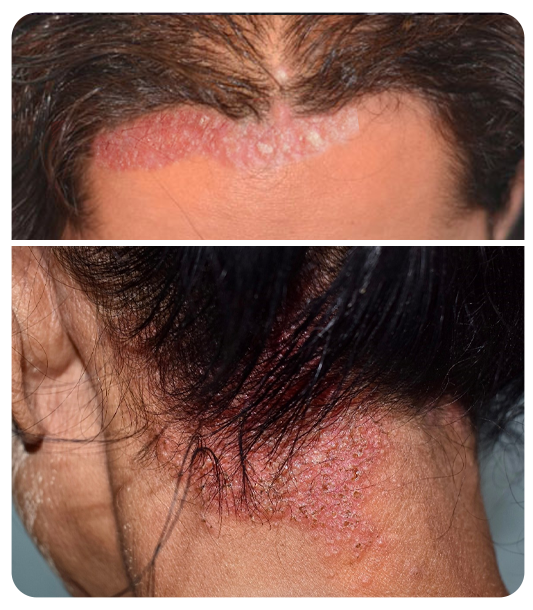
Seborrheic dermatitis can affect people of all ages, but some individuals may be more susceptible to developing it. Those who experience this condition more often usually have certain biological, skin-related, or lifestyle factors that increase scalp irritation and inflammation.
People who may be more likely to develop seborrheic dermatitis include those with:
The condition often appears intermittently and may worsen during stressful periods, fatigue, weather changes, or other environmental triggers.
Seborrheic dermatitis is often confused with dandruff because both conditions involve visible scalp flakes. However, seborrheic dermatitis is usually more persistent and involves inflammation of the skin, while dandruff is typically milder and limited mainly to flaking.
Understanding the differences between these two conditions can help identify when medical evaluation may be needed.
| Feature | Seborrheic Dermatitis | Dandruff |
|---|---|---|
| Severity | More persistent inflammatory scalp condition | Usually mild scalp flaking |
| Flake Type | Greasy, yellowish scales | White or dry flakes |
| Skin Appearance | Red, irritated skin patches | Usually no redness or inflammation |
| Affected Areas | Scalp, eyebrows, sides of nose, ears | Mostly limited to the scalp |
| Itching | Moderate to severe itching | Mild to moderate itching |
| Treatment | May require medicated treatments and anti-inflammatory therapy | Often improves with anti-dandruff shampoos |
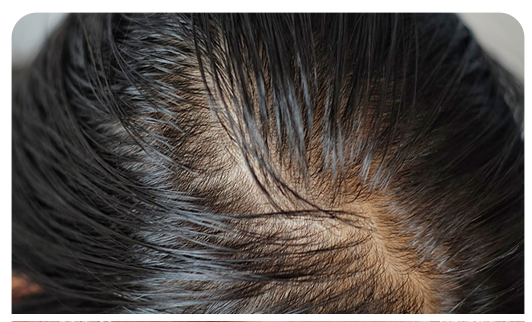
Seborrheic dermatitis does not directly damage hair follicles or cause permanent hair loss. However, ongoing scalp inflammation can lead to temporary hair shedding in some individuals. Frequent scratching due to itching may further irritate the scalp and weaken hair strands, which can result in noticeable hair fall during washing or brushing.
Individuals already experiencing genetic hair loss, male pattern baldness, female hair loss, or other causes of hair thinning may notice increased shedding if scalp inflammation is left untreated. Addressing scalp conditions early helps create a healthier environment for hair growth and supports long-term hair restoration.
Seborrheic dermatitis is usually diagnosed through a clinical examination of the scalp and affected skin areas. Doctors assess the appearance of the skin, the type of flakes or scales present, the distribution of redness or irritation, and whether symptoms extend beyond the scalp to other oily areas such as the eyebrows, ears, or sides of the nose.
During the evaluation, doctors typically consider the severity of itching, inflammation, and scaling. They may also rule out other scalp or skin conditions that can appear similar, such as scalp psoriasis, fungal infections, allergic reactions, or severe dandruff.
An accurate diagnosis is important because the treatment approach may differ depending on the underlying condition. Proper clinical assessment helps ensure that the scalp problem is identified correctly and managed with the most suitable treatment plan.
Managing scalp inflammation is an important part of maintaining overall hair health. When conditions like seborrheic dermatitis are properly managed, the scalp environment becomes more suitable for healthy hair growth and improved scalp comfort.
At India Hair Transplant (IHT), treatment plans are recommended after assessing the scalp condition, the stage of hair loss, and the individual’s medical history. Based on the diagnosis, doctors may suggest medical treatments, regenerative therapies, or advanced hair restoration procedures to support scalp health and reduce ongoing hair shedding.
Some commonly recommended hair and scalp treatments include:
These treatments may help enhance scalp health, support hair follicle function, and reduce ongoing hair shedding in suitable candidates.
Patients seeking professional scalp evaluation and hair restoration advice can consult specialists at India Hair Transplant clinics located in Delhi, Ludhiana, and Bangalore, where personalised treatment plans are tailored to individual scalp conditions.
While mild scalp flaking may improve with regular scalp care, seborrheic dermatitis may require medical attention if symptoms persist or become more severe over time.
Consult a doctor if you notice:
A dermatologist can examine the scalp and skin to confirm the diagnosis and recommend appropriate treatments, which may include medicated shampoos, topical antifungal treatments, or anti-inflammatory creams to help control the condition and reduce flare-ups.
Although seborrheic dermatitis can recur, certain scalp care habits may help reduce flare-ups and maintain better scalp health over time. Preventive care focuses on controlling excess oil, reducing irritation, and maintaining a balanced scalp environment.
Helpful preventive measures include:
Consistent scalp care plays an important role in controlling symptoms and preventing repeated flare-ups of seborrheic dermatitis.
Several scalp conditions may appear similar to seborrheic dermatitis but involve different underlying causes and treatment approaches. Proper diagnosis is important to ensure that the correct condition is identified and managed appropriately.
Related scalp conditions include:
Understanding these conditions helps doctors determine whether the symptoms are related to scalp inflammation, fungal imbalance, or other underlying scalp disorders.
👉 Struggling with dandruff, itching, or falling flakes? Speak with our scalp specialists for a professional evaluation and personalised scalp care guidance.
Call 09779944207