Scalp psoriasis is a chronic skin condition that leads to thick scaly patches and inflammation on the scalp. Proper diagnosis and scalp care at India Hair Transplant (IHT) can help manage symptoms and protect overall scalp health.
Scalp psoriasis is a chronic autoimmune skin condition that affects the scalp and leads to the rapid buildup of skin cells. This accelerated skin turnover results in thick, scaly patches on the scalp, often accompanied by redness, itching, and irritation beneath the hair.
In some cases, the scaling may extend beyond the scalp to nearby areas such as the forehead, back of the neck, or behind the ears. While the condition itself does not permanently damage hair follicles, persistent inflammation and frequent scratching can contribute to temporary hair shedding.
Maintaining scalp health is important for supporting healthy hair growth. Proper management of inflammatory scalp conditions helps create a healthier environment for hair follicles, which is especially important for individuals dealing with hair thinning or undergoing hair restoration treatments.
Scalp psoriasis is a type of psoriasis that specifically affects the scalp. Psoriasis itself is an immune-related condition in which the body speeds up the production of skin cells.
Normally, skin cells grow and shed over several weeks. In psoriasis, this process accelerates significantly, causing skin cells to accumulate on the surface instead of shedding normally. This buildup results in thick plaques and scales that can become itchy, inflamed, and sometimes uncomfortable.
Scalp psoriasis can affect small areas of the scalp or extend across the entire scalp, and in some cases, it may spread to nearby regions such as the forehead, back of the neck, or behind the ears. The severity can vary from mild scaling to thicker plaques that may cause noticeable discomfort.
Although scalp psoriasis is a long-term condition, its symptoms often occur in cycles, with periods of flare-ups followed by phases of improvement. With proper dermatological treatment and scalp care, the symptoms can usually be managed effectively.

Scalp psoriasis can appear in different ways based on its severity. Some people may notice mild scaling similar to dandruff, while others may develop thicker plaques with redness and irritation.
Recognising these symptoms early helps differentiate scalp psoriasis from other scalp conditions and enables timely medical guidance.
Common symptoms of scalp psoriasis include:
Because itching can sometimes become intense, scratching may further irritate the scalp and worsen the symptoms.
Scalp psoriasis results from an abnormal immune response that accelerates skin cell production. While the specific trigger can differ among individuals, several factors are known to trigger flare-ups. Common contributing factors include:
In many individuals, symptoms may appear periodically and improve between flare-ups.
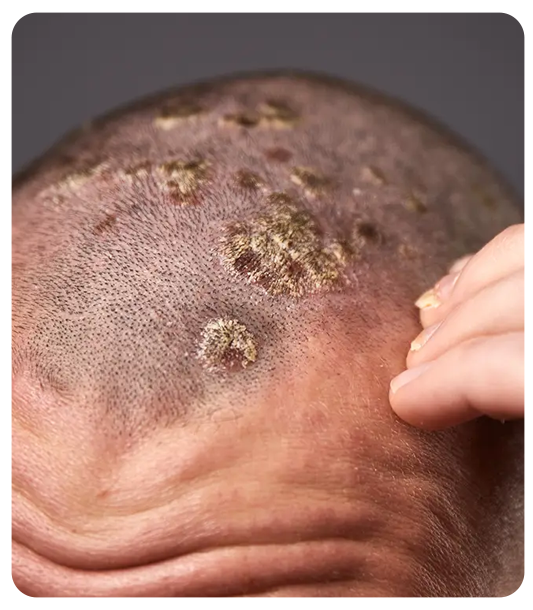
Scalp psoriasis can affect people of any age, although it most commonly appears in early adulthood. Some individuals may be genetically predisposed to the condition, while others might develop symptoms due to environmental triggers. Certain risk factors can increase the chances of developing scalp psoriasis.
People who are more likely to develop scalp psoriasis include:
While these factors may increase risk, the condition can still occur in people without any obvious triggers.
Because both scalp psoriasis and dandruff cause flaking, they are often confused with each other. However, the two conditions differ in severity, appearance, and underlying causes. Understanding these differences can help determine when a medical evaluation might be needed.
| Feature | Scalp Psoriasis | Dandruff |
|---|---|---|
| Severity | Chronic inflammatory skin condition | Usually mild scalp flaking |
| Flake Type | Thick, silvery scales | Dry white flakes |
| Skin Appearance | Red inflamed patches | Usually no redness |
| Affected Areas | Scalp, forehead, neck, ears | Mostly limited to the scalp |
| Itching | Moderate to severe itching | Mild to moderate itching |
| Treatment | Often requires medical treatment | Usually controlled with anti-dandruff shampoos |
Because scalp psoriasis involves immune-related inflammation, treatment may require professional medical guidance.
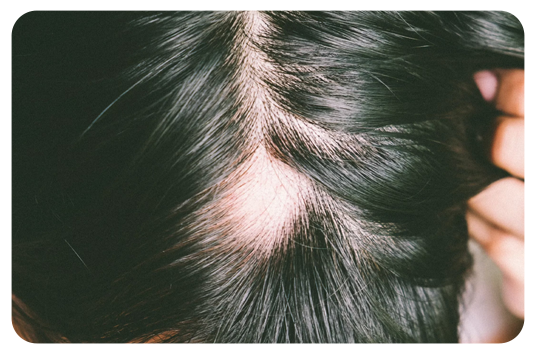
Scalp psoriasis itself does not cause lasting damage to hair follicles. However, severe inflammation and frequent scratching can weaken hair strands, resulting in temporary hair loss.
When thick plaques form on the scalp, the surrounding skin may become irritated and inflamed. This can disrupt the normal hair growth environment and cause increased hair fall in some individuals. People who already have conditions such as male- or female-pattern hair loss may notice increased shedding during psoriasis flare-ups. Addressing scalp inflammation early helps maintain a healthier scalp environment and supports long-term hair growth.
Because scalp psoriasis can resemble other scalp conditions such as dandruff or seborrheic dermatitis, an accurate diagnosis is essential before beginning treatment. Doctors typically diagnose the condition through a thorough scalp examination. The appearance, distribution, and thickness of scales help distinguish scalp psoriasis from other issues.
During diagnosis, doctors may examine:
In most cases, a clinical examination is sufficient to confirm the diagnosis.
Maintaining scalp health is important for supporting healthy hair growth and long-term hair restoration outcomes. When scalp inflammation is controlled, the scalp environment becomes more suitable for healthy hair follicles.
At India Hair Transplant (IHT), treatment plans are recommended only after evaluating the scalp condition, the stage of hair loss, and the individual’s medical history. Depending on the diagnosis, doctors may suggest medical treatments, regenerative therapies, or advanced hair restoration procedures.
Hair and scalp treatments commonly recommended include:
These treatments help support hair follicle activity, improve scalp health, and reduce ongoing hair shedding in suitable candidates.
Patients seeking professional scalp evaluation and hair restoration guidance can consult specialists at IHT clinics in Delhi, Ludhiana, and Bangalore, where personalised treatment plans are tailored to individual scalp conditions.
Occasional scalp flaking may not always require medical attention, but persistent or worsening symptoms should not be ignored. If scalp irritation becomes severe or begins to affect hair health, a professional evaluation is important.
You should consider consulting a doctor if you experience:
Early diagnosis and treatment can help manage symptoms and protect long-term scalp health.
Although scalp psoriasis may recur from time to time, certain habits can help reduce the frequency and severity of flare-ups.
Helpful preventive measures include:
Consistent scalp care plays an important role in managing symptoms and maintaining scalp comfort.
Several scalp conditions may present with symptoms similar to those of scalp psoriasis, which is why an accurate diagnosis is important before starting treatment.
Some related hair and scalp conditions include:
Understanding these conditions helps ensure appropriate treatment and better scalp health.
👉 Dealing with thick scalp scales, itching, or persistent scalp irritation? Speak with our scalp specialists for a professional evaluation and personalised treatment guidance.
Call 09779944207