
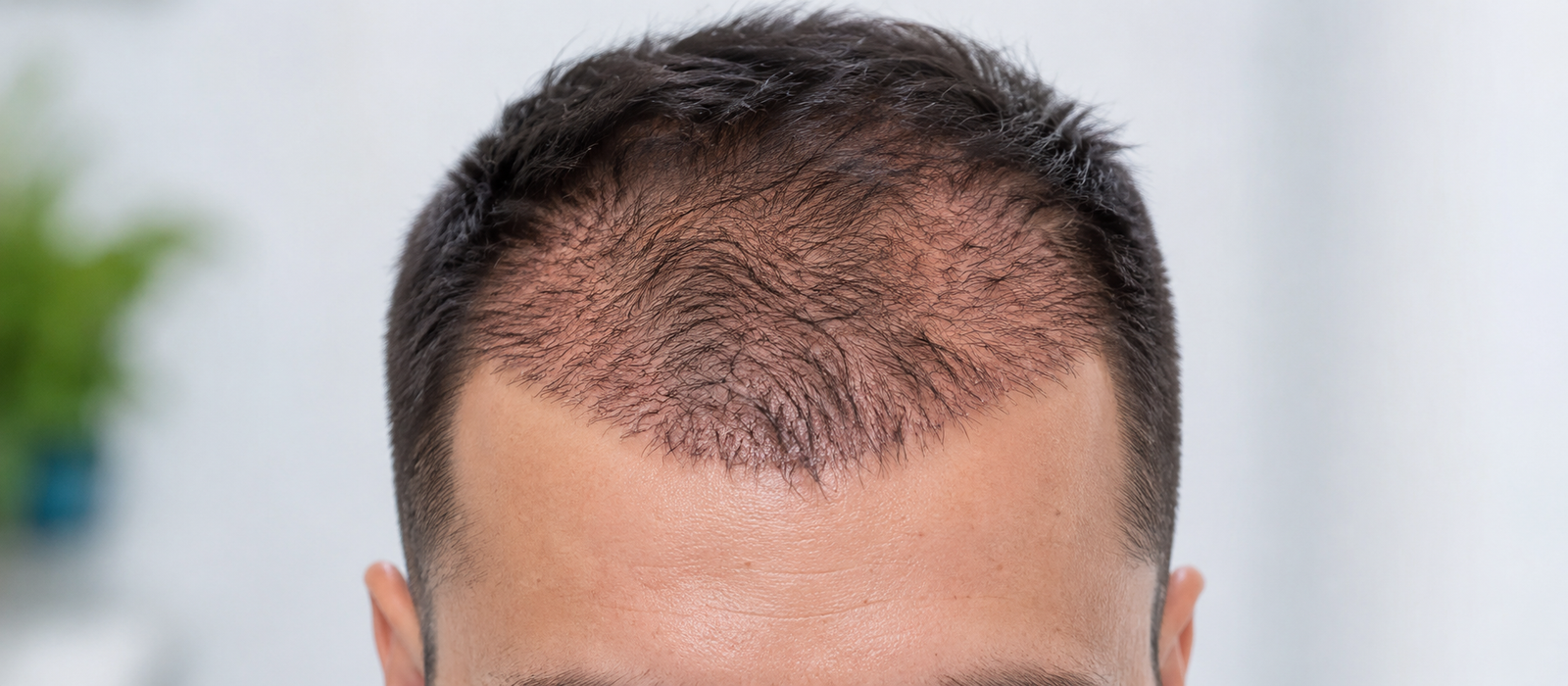
What Is Shock Loss After a Hair Transplant?
Shock loss, medically known as post-operative telogen effluvium, refers to the temporary shedding of hair that commonly occurs in the weeks following a hair transplant. It may affect the transplanted hairs and, in some cases, the existing hairs around the treated area. This happens because the scalp and hair follicles undergo temporary stress during the procedure, causing some hairs to enter the resting phase of the hair growth cycle earlier than usual.
The most important thing to understand is that the hair shaft sheds, not the follicle itself. The follicle remains alive beneath the scalp and, in most cases, begins producing new hair as the growth cycle resumes. For this reason, shock loss is considered a normal part of the recovery process and is not a sign that the transplant has failed.
At IHT, patients are informed about shock loss before the procedure so they know what to expect during recovery. Understanding this phase helps reduce unnecessary anxiety and allows patients to focus on proper aftercare while waiting for new growth to begin. In most cases, visible improvement starts gradually over the next few months, while the final hair transplant result is usually assessed around 12 months.
Normal Shedding vs Shock Loss: Understanding the Difference
Normal shedding and shock loss are often confused, but they are not exactly the same. Both can happen after a hair transplant and are usually temporary.
Normal shedding usually refers to the expected shedding of transplanted hair shafts as part of the recovery process. Shock loss may also involve temporary shedding of existing native hairs around the treated area due to the stress of the procedure. Understanding the difference helps patients know what is normal during recovery and when they should contact their doctor for guidance.
| Feature | Normal Shedding | Shock Loss |
|---|---|---|
| What sheds? | Transplanted hair shafts only | Existing native hairs in and around the surgery area |
| When it starts | 2 to 4 weeks after surgery | 2 to 8 weeks after surgery |
| Root Cause | Transplanted hairs temporarily enter the resting (telogen) phase after the procedure | Surgical stress temporarily pushes nearby native hair follicles into the resting (telogen) phase |
| Area affected | Recipient (transplanted) zone only | Around the recipient zone; sometimes the donor area |
| Is it permanent? | No. New hair growth usually begins within 3–4 months. | No. In most cases, the hair grows back naturally within a few months. |
| How common? | Experienced by almost all patients | Can occur in many patients, but the extent varies |
Neither normal shedding nor shock loss indicates that the hair transplant has failed. Both are temporary changes in the hair growth cycle and, in most cases, resolve naturally as new hair begins to grow.
Month-by-Month Recovery Timeline After a Hair Transplant
A clear understanding of what happens at each stage can reduce much of the anxiety around shock loss. The timeline below explains the usual recovery pattern after an FUE hair transplant at IHT. However, the exact pace may vary depending on hair type, number of grafts, healing response, and the consistency with which aftercare instructions are followed.
1
Redness, minor swelling, and scabbing around the grafts are normal. Transplanted follicles sit as tiny stubble dots on the scalp surface. This is the highest-risk window for graft dislodgement. Aftercare must be followed precisely: no direct water pressure on grafts, sleep with the head elevated, do not touch or scratch the recipient area.
2–3
Scabs flake away naturally. Transplanted hairs appear as short, visible stubble. Patients often feel encouraged during this window. It is also when the shedding phase is about to begin — preparing mentally for what comes in weeks three to five is important.
3–5
This is the phase when many patients become concerned and contact the clinic. Transplanted hairs may start shedding, and the existing hair around the treated area can also appear thinner for some time. The scalp may look sparse or slightly patchy, but this does not mean the follicles are lost. They are in a resting phase and will gradually begin producing new hair. Continue the prescribed aftercare as advised, and do not stop or change any medication without consulting your surgeon.
2–3
Active shedding has largely settled. The scalp may look similar to or marginally thinner than before surgery. Beneath the surface, follicles are healing and preparing for active growth. Fine baby hairs often start emerging by the end of month three for patients with faster regrowth cycles.
4–6
By this stage, the transplanted hairs have matured, resulting in improved hairline definition, density, and overall coverage. Most patients achieve around 80–90% of their hair transplant results by the ninth month, with the remaining growth and thickening continuing gradually.
The final hair transplant results are usually assessed at 12 months, although some patients may continue to see gradual thickening and improvement after this, especially if they have naturally fine or slow-growing hair.
8–12
Transplanted hairs have matured to their full calibre. Hairline definition, density, and coverage reflect the final surgical outcome. Most patients see 80 to 90 percent of their complete result by month nine. Hair continues maturing through month twelve and occasionally a little beyond for those with naturally fine or slow-growing hair.
Why Does Shock Loss Happen? The Biological Causes
Several overlapping biological mechanisms drive the shock loss response. Together, they explain why this shedding is predictable and expected rather than a sign that something has gone wrong surgically.
During both extraction and implantation, follicles are briefly detached from their established blood supply. This interruption is sufficient to push them into the resting phase. Growth resumes naturally once circulation is re-established through the healing scalp.
Creating incision sites and placing grafts generates localised physical stress in the recipient area. Native hairs immediately surrounding this zone can respond to the trauma by entering telogen effluvium, even though those follicles were not directly operated on.
The anaesthetic fluid injected into the scalp before surgery temporarily alters local blood flow and the follicle environment. In some patients this contributes to earlier shedding, particularly in the donor region where fluid pressure is concentrated.
Hairs already weakened by androgenetic alopecia have considerably less resilience and are far more susceptible to stress-induced shedding. Patients with more advanced hair loss at the time of surgery often experience a more pronounced shock loss response in their native hairs.
Surgical technique directly influences shock loss severity. Precise instrument selection, controlled extraction depth, minimal out-of-body graft time, and careful incision design all reduce trauma to native follicles. These are standard practice at IHT, not optional extras.
What Aftercare Actually Helps Reduce Shock Loss?
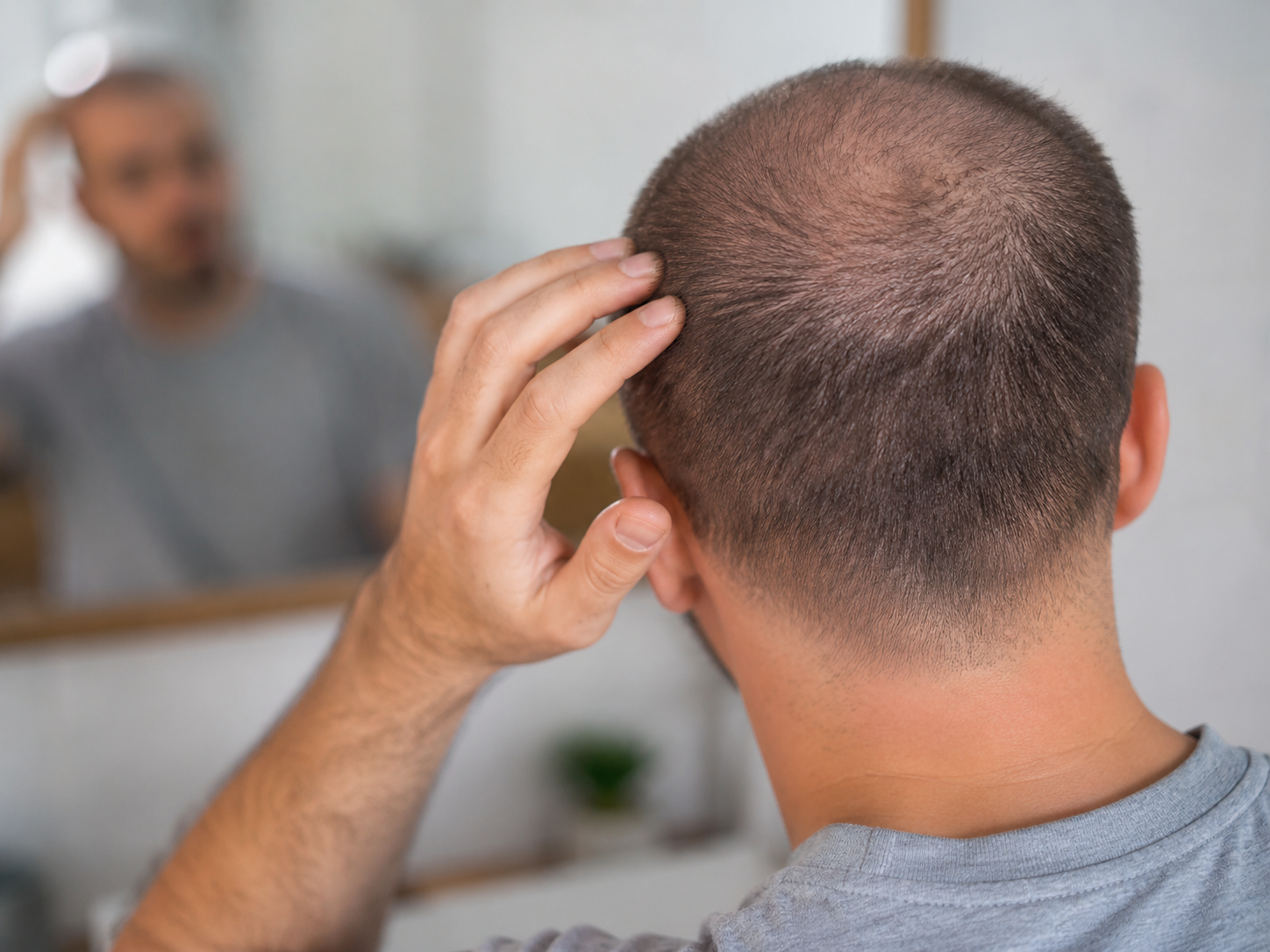
Shock loss severity is directly shaped by what happens in the days immediately after surgery. While it cannot be fully prevented, the right aftercare practices can shorten its duration and reduce how pronounced the shedding appears on the scalp.
Why the first ten days are critical
In the first week, transplanted grafts are held in place by dried plasma, not yet anchored by new tissue growth. Friction, pressure, heat, or physical impact during this window can dislodge grafts and deepen the shock loss response in surrounding native follicles.
- Follow the post-op scalp washing protocol from day 3 exactly as instructed by your surgeon
- Take all prescribed medications — anti-inflammatories and antibiotics — for the complete prescribed course
- Sleep with head elevated at 30 to 45 degrees for the first week to minimise swelling
- Begin Minoxidil as directed, typically 7 to 10 days post-surgery when scalp healing allows
- Maintain a protein-rich diet with adequate iron, zinc, and biotin to support follicle recovery
- Attend all scheduled follow-up appointments to allow proper monitoring of healing
- Do not scratch, rub, or pick at the recipient area even if it feels itchy during the healing phase
- Avoid direct sun exposure on the scalp for a minimum of four weeks post-surgery
- Do not smoke or consume alcohol for at least two weeks — both impair blood flow and slow healing
- Avoid gym sessions, heavy lifting, or activities causing significant sweating for three to four weeks
- Do not swim in a chlorinated pool or use a steam room or sauna for at least one month
- Avoid helmets, tight caps, or anything pressing against grafts during the first two weeks
PRP and GFC therapy post-transplant
PRP (Platelet-Rich Plasma) and GFC (Growth Factor Concentrate) therapy sessions beginning 4 to 6 weeks after surgery deliver concentrated growth factors directly into the scalp. This accelerates recovery of both transplanted and native follicles and typically results in a shorter, less pronounced shock loss phase. Patients combining post-transplant growth factor therapy with consistent Minoxidil use consistently report earlier visible growth than those using medication alone.
When Should You Be Concerned? Signs to Watch For
Shock loss is an expected part of hair transplant recovery. However, certain signs fall outside the normal range and require prompt contact with your surgeon. The ability to distinguish routine shedding from a genuine complication matters significantly for outcomes.
- Persistent pain, throbbing, or worsening swelling beyond day 5 after surgery
- Pus, discharge, or an unpleasant odour from the recipient or donor area at any stage
- Fever above 38°C in the days immediately following the procedure
- No visible new hair growth whatsoever by months 8 to 9
- Large bald patches in the recipient zone showing zero signs of regrowth by month 6
- Continued active shedding beyond the three-month mark with no early growth appearing
Complications are uncommon when procedures are performed by qualified surgeons operating under proper clinical protocols. Recognising warning signs early and seeking review promptly always leads to better outcomes than waiting.
A Word from Our Surgeon
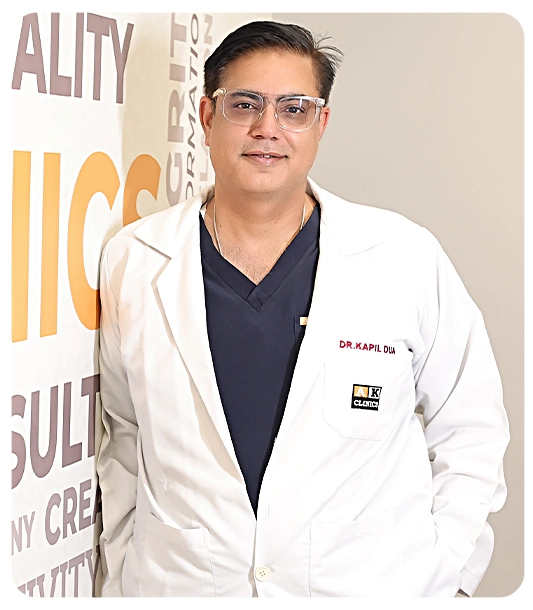
Dr. Kapil Dua MBBS, MS — Chairman & Chief Hair Transplant Surgeon, IHT“Shock loss is influenced by how well the scalp heals in the days immediately after surgery. While it cannot always be prevented completely, following the right aftercare can help reduce unnecessary irritation, support healing, and make the shedding phase easier to manage. Pre-surgery counselling about shock loss is a standard part of every IHT consultation, not something discussed only with first-time patients or high-graft cases. Patients are clearly informed about the shedding phase, expected recovery timeline, and aftercare steps so they know what is normal and when to contact the clinic. This helps set realistic expectations and supports both patient comfort and clinical outcomes.”
Past President, ISHRS (USA) | Member, AAHRS (Asia) | Member, AHRS (India)
Pre-surgery counselling on the shock loss phase is standard at every IHT consultation — not something reserved for first-time patients or high-graft cases. It is part of our commitment to outcomes that meet patient expectations as well as clinical standards.
Related reading
Frequently Asked Questions
No. Shock loss is temporary in almost all cases. The follicles remain alive and anchored beneath the scalp. Once the resting phase ends — typically between 3 and 6 months post-surgery — new hair growth resumes from those follicles. Permanent shock loss affecting native hairs is uncommon and is generally linked to pre-existing severe follicle miniaturisation rather than the procedure itself.
Active shedding typically lasts between 2 and 8 weeks. The scalp may look sparse for 2 to 3 months post-surgery — the period often called the ugly duckling phase. Visible improvement generally begins between months 4 and 6, with most patients reaching 80 to 90 percent of their final result by month 9.
Yes. Topical Minoxidil applied from 7 to 10 days post-surgery supports scalp circulation and can shorten the resting phase. PRP or GFC therapy sessions starting 4 to 6 weeks after surgery deliver growth factors that accelerate follicle recovery. Patients using both approaches typically see earlier visible growth than those relying on medication alone.
Both. Normal shedding primarily involves transplanted hair shafts falling while follicles remain intact. Shock loss can additionally affect native hairs in the surrounding area, particularly those already weakened or miniaturised. Both follicle groups typically recover within 3 to 6 months.
Some patients find months 2 and 3 leave them looking similar to or marginally thinner than their pre-surgery state. This is one of the most important things to prepare for before any hair transplant. By months 5 and 6 visible progress becomes clear, and the full result is typically evident by months 9 to 12.
FUE generally causes less donor area trauma because follicles are extracted individually rather than as a strip, which tends to reduce shock loss severity in that region. Shock loss in the recipient area occurs with both techniques because creating incisions and placing grafts generates localised trauma regardless of extraction method. Surgical skill and post-operative care have a greater bearing on outcomes than the technique used.