Delhi as a Centre for Hair Transplant Surgery
Delhi is home to some of India's leading hair transplant clinics and draws patients from across the country as well as from abroad. The city's medical infrastructure, availability of experienced surgeons, and access to advanced hair restoration techniques have made it a well-regarded centre for planned hair transplant procedures. Patients from Gurgaon, Noida, Faridabad, and Ghaziabad regularly consult there, making it the primary hub for hair restoration in North India.
IHT (India Hair Transplant) is among the clinics that patients from Delhi and the NCR region consistently consult, recognised for a structured clinical approach built on surgeon-performed procedures and detailed pre-operative assessment. The patient base includes working professionals, public figures, and individuals travelling specifically from abroad for the procedure.
However, choosing a hair transplant clinic in Delhi requires careful evaluation. Costs, clinical standards, surgeon involvement, and post-operative care can vary widely from one clinic to another. Understanding these differences helps patients make choices that are medically sound rather than driven by price or marketing alone.
Is a Hair Transplant the Right Step for You?
Before asking which clinic to choose, the more important question is whether now is the right time for surgery. A hair transplant produces the most consistent long-term outcomes when:
- Hair loss has stabilised or is being managed with prescribed treatment such as Minoxidil or Finasteride
- The donor area has enough healthy hair to cover the planned area while preserving donor hair for future needs
- The expected result matches what is realistically possible at the patient's current stage of hair loss
- The patient is in good general health, with no active scalp condition or unmanaged medical concern
If surgery is done while hair loss is still progressing, existing native hair may continue to thin around the transplanted area in the coming years. This can affect the overall result and may necessitate further treatment later.
What to Look for When Evaluating a Hair Transplant Clinic in Delhi
Delhi has many hair transplant clinics, but the level of surgical planning, doctor involvement, and post-operative care can vary widely. Some are led by experienced hair transplant surgeons with documented results and clear clinical protocols. Others may rely more heavily on technician-led execution after an initial consultation. Since both can be marketed similarly, patients should look beyond advertisements, discounts, and before-and-after photos.
Who physically performs the extraction and implantation?
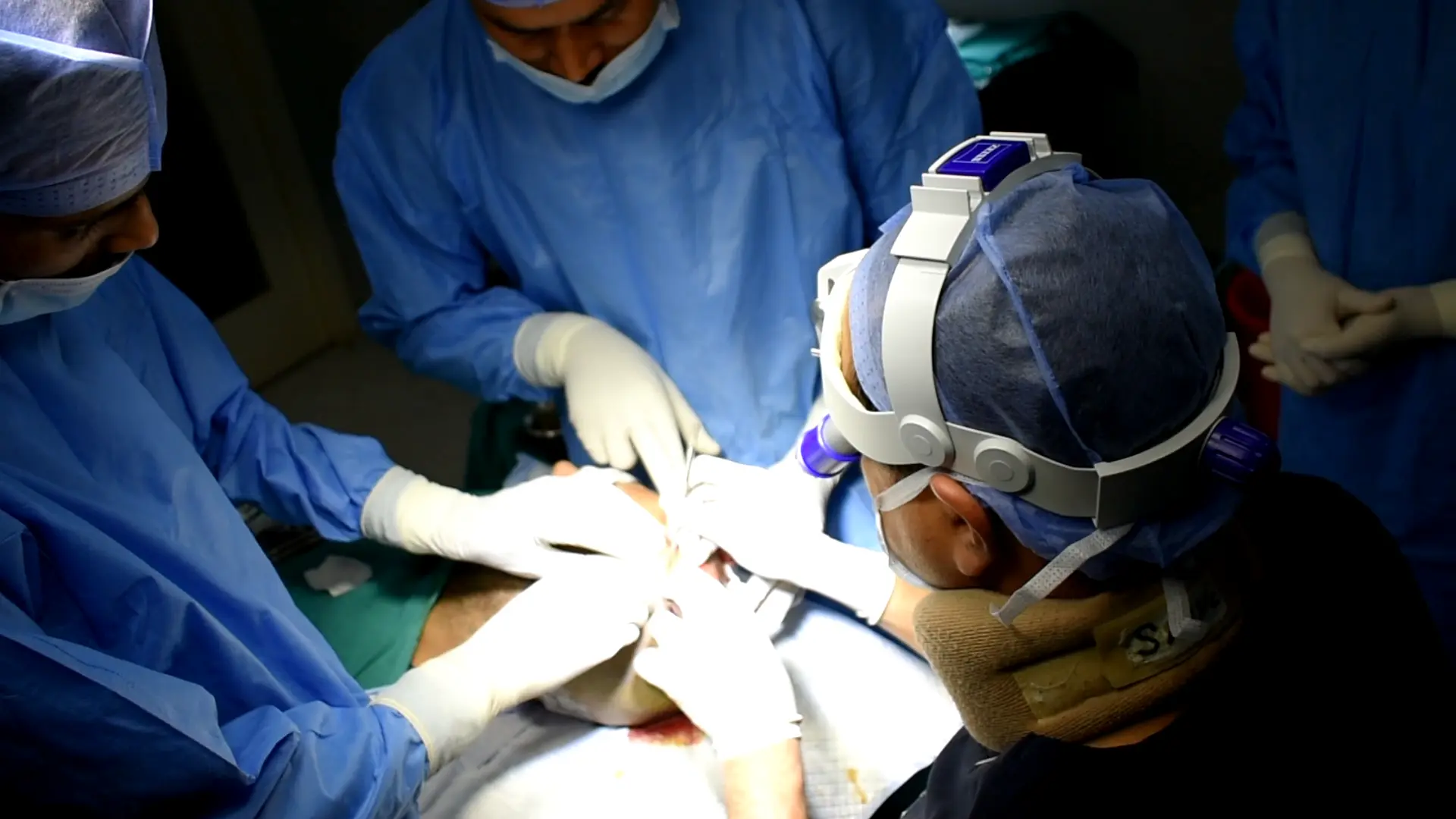
This is the most important question to ask before booking any procedure. In a fully surgeon-led procedure, the operating doctor carries out follicular unit extraction from the donor area and implantation into the recipient zone throughout the session. In a delegation model, one or both of these steps are performed by clinical staff with varying degrees of surgeon oversight. Neither model is concealed from patients who ask directly — so ask, before signing a consent form.
At IHT, all procedures are performed by surgeons from start to finish.
What are the surgeon's verifiable qualifications?
The minimum standard for a hair transplant surgeon in India is an MBBS with a postgraduate qualification in surgery or dermatology. Membership of the International Society of Hair Restoration Surgery (ISHRS) signals that the surgeon follows internationally reviewed protocols and participates in ongoing clinical education. ISHRS membership can be confirmed independently at ishrs.org — do not rely solely on clinic marketing material.
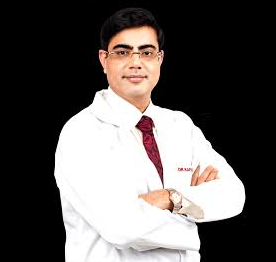
Dr. Kapil Dua, Chairman and Chief Hair Transplant Surgeon at IHT, holds MBBS and MS qualifications and has served as Past President of the ISHRS — the first Indian surgeon to hold this position. His credentials and clinical background are available on the IHT about page.
What does post-operative care involve?
A well-run clinic provides a written post-operative protocol, a named contact for recovery queries, and follow-up reviews at week 1, month 3, and month 6 at a minimum. Ask to see this documentation before committing. IHT's post-operative care guide outlines the complete aftercare approach followed at every IHT location.
Hair Transplant Techniques Available in Delhi
Three primary surgical techniques are used for hair transplant procedures in Delhi: FUE (Follicular Unit Extraction), FUT (Follicular Unit Transplantation), and Unshaven FUE. Each has its own clinical indications. The right choice depends on hair loss pattern, donor density, graft count required, and the patient's lifestyle — not on which technique any particular clinic most routinely performs.
| FUE | FUT (Strip) | Unshaven FUE | |
|---|---|---|---|
| Scarring | Tiny dot-like marks in donor area, not visible after healing | Single linear scar along donor area | Same as FUE |
| Healing period | 7 to 10 days | 10 to 14 days | 7 to 10 days |
| Best suited for | Most patients, including those who keep hair short | Cases requiring 4,000 or more grafts in one session | Patients who cannot or prefer not to shave the donor area |
| Graft survival | 90 to 95% with an experienced surgeon | 95% or higher with an experienced surgeon | 90 to 95% |
| Cost | Standard | Often lower per graft at high graft counts | Slightly higher due to precision involved |
Hair Transplant Cost in Delhi: What the Price Range Reflects
Hair transplant procedures in Delhi are priced across a wide range, from approximately INR 60,000 to 4,50,000 or more for a complete procedure. This gap does not primarily reflect location or clinic size. It reflects differences in surgeon qualification, extent of surgeon involvement, graft care standards, and what the quoted figure actually includes.
Whether the procedure is performed by the hair transplant surgeon or delegated largely to technicians has a direct bearing on both outcome quality and price. Doctor-performed procedures typically cost more — and consistently deliver better results.
The number of grafts needed based on your stage of hair loss and treatment plan directly drives the procedure cost. Always confirm how many grafts are included in the quoted price before signing any agreement.
A quoted price may or may not cover consultation, anaesthesia, medications, post-operative care, follow-up visits, and adjunctive treatments. Compare what each package actually includes before comparing prices.
Dedicated hair restoration facilities, sterile operating environments, advanced graft handling protocols, and specialised equipment all influence the overall cost and the safety of the procedure.
Indicative graft requirements by hair loss stage
| Norwood Stage | Pattern | Indicative Grafts | Sessions |
|---|---|---|---|
| Norwood 2 to 3 | Early recession at temples and frontal hairline | 1,000 to 2,000 | 1 session |
| Norwood 3 to 4 | Defined hairline recession, mid-scalp involvement beginning | 2,000 to 2,800 | 1 session |
| Norwood 4 to 5 | Established pattern baldness with crown involvement | 2,800 to 4,000 | 1 to 2 sessions |
| Norwood 6 to 7 | Extensive hair loss across the vertex and crown | 4,000 to 5,500 or more | Multiple sessions may be required |
What the Post-Operative Period Involves for Delhi Patients
The post-operative period after a hair transplant follows a broadly consistent clinical sequence. The following covers each phase with context specific to patients in Delhi.
| Timeline | What Usually Happens | Care Advice |
|---|---|---|
| Days 1 to 10 | Small crusts form over the transplanted area. Mild forehead swelling may appear in the first few days. | Avoid dust, pollution, direct sunlight, and tight headwear. Use only surgeon-approved protection outdoors. |
| Week 2 to 4 | Transplanted hairs may start shedding. This is expected and does not mean the grafts are lost. | Continue aftercare as advised. Most patients can return to work during this period. |
| Month 3 to 4 | New hair growth begins. Early hair may look thin, fine, or lighter in colour. | This is the early growth phase, not the final result. Be patient. |
| Month 6 to 9 | Hair density improves gradually and visible coverage starts becoming clearer in photos. | Follow review appointments and continue any prescribed treatment. |
| Month 9 to 12 | Final results are usually assessed. Crown and vertex areas may take closer to 12 months. | Wait for full maturity before judging density, texture, or final coverage. |
Delhi-specific aftercare considerations
Delhi's winter smog season can see PM2.5 levels exceed 200 micrograms per cubic metre during peak conditions. A healing scalp in the first two weeks post-surgery is particularly vulnerable. Keeping the scalp covered outdoors and limiting unnecessary exposure during this window is strongly advisable.
Delhi's municipal water supply has a high total dissolved solids (TDS) content. The post-operative scalp wash protocol your clinic provides should specify water temperature, shampoo type, and wash technique. Using harsh products or high water pressure during early healing can affect graft stability and increase the risk of folliculitis.
Ambient temperatures between 38 and 45°C during Delhi summers significantly increase scalp perspiration during the early recovery window. Limiting outdoor exposure to early morning and evening hours and staying in air-conditioned environments during the first three weeks reduces healing complications.
Delhi's traffic conditions often require extended commutes. Helmet use on two-wheelers must be avoided for 3 to 4 weeks post-surgery. If commuting is unavoidable in the early weeks, travelling by car or auto reduces the risk of graft trauma from headgear friction and scalp heat accumulation.
Accessing Hair Transplant Consultations Across Delhi and the NCR
Patients from across Delhi and the NCR have access to IHT consultation options without needing to travel far. Patients in Gurgaon can access IHT's Gurgaon clinic directly. Patients in Noida and east Delhi are served through IHT's Noida consultations. For patients in central and south Delhi, our Delhi clinic remains the primary consultation and treatment location.
When evaluating clinics, the quality of the consultation itself is a reliable indicator of a clinic's overall standard. A thorough consultation covers your hair loss history, a physical scalp assessment, evaluation of the donor area, a discussion of your hair loss stage and likely future progression, an honest estimate of what is achievable, and a clear explanation of the recommended approach and its cost.
A consultation that moves quickly past these steps towards scheduling is worth pausing on. A surgeon who spends time assessing your donor area, explains what can and cannot be achieved, and discusses long-term planning is approaching your case responsibly.
Frequently Asked Questions
Hair transplant is a safe outpatient surgical procedure when performed by a qualified surgeon in a facility that follows standard clinical protocols. Safety concerns are not geographic — they relate to surgeon qualification and the standards of the operating facility. Complications such as infection, poor graft survival, or an unnatural result are most commonly associated with procedures where surgical oversight was not maintained adequately throughout.
Request the surgeon's qualification documents and ask directly whether the surgeon or a technician performs graft extraction and implantation during the procedure. ISHRS membership can be independently verified at ishrs.org. A qualified surgeon will answer all of these questions without hesitation.
February through October is generally the more comfortable period. November through January coincides with peak air quality deterioration in Delhi, which can irritate a healing scalp during the early recovery weeks. May through July bring high ambient heat and perspiration, requiring closer adherence to the post-operative care protocol. Both periods are manageable with proper guidance, but are worth factoring into scheduling.
Patients in office or desk-based roles are generally able to return within a week to ten days, once surface crusting over the recipient area has cleared. Those in client-facing roles often prefer to wait ten to fourteen days. Work involving outdoor physical activity, protective headwear, or direct heat and dust exposure requires at least four weeks before return.
Yes, it can be suitable, but only after a detailed donor area assessment. In Norwood 6 or 7 hair loss, the bald area is usually large, so not every patient has enough donor hair to achieve full coverage in one session. A staged plan is often more appropriate. Your surgeon will clearly explain how much coverage is possible, how many grafts may be needed, and what result can realistically be achieved before you decide to proceed.
IHT Delhi performs FUE, FUT, and Unshaven FUE for scalp hair restoration, along with beard, moustache, and eyebrow transplant procedures. The appropriate technique is determined at consultation based on individual clinical assessment.